
1
Plans and project definition
Current plans, known site conditions and a clearly described scope create the reference point for later construction decisions.
Single-family building
A home moves from documents and site conditions into structure, enclosure, interior work and final stages. The exact path is shaped by the plans and requirements of the individual project.
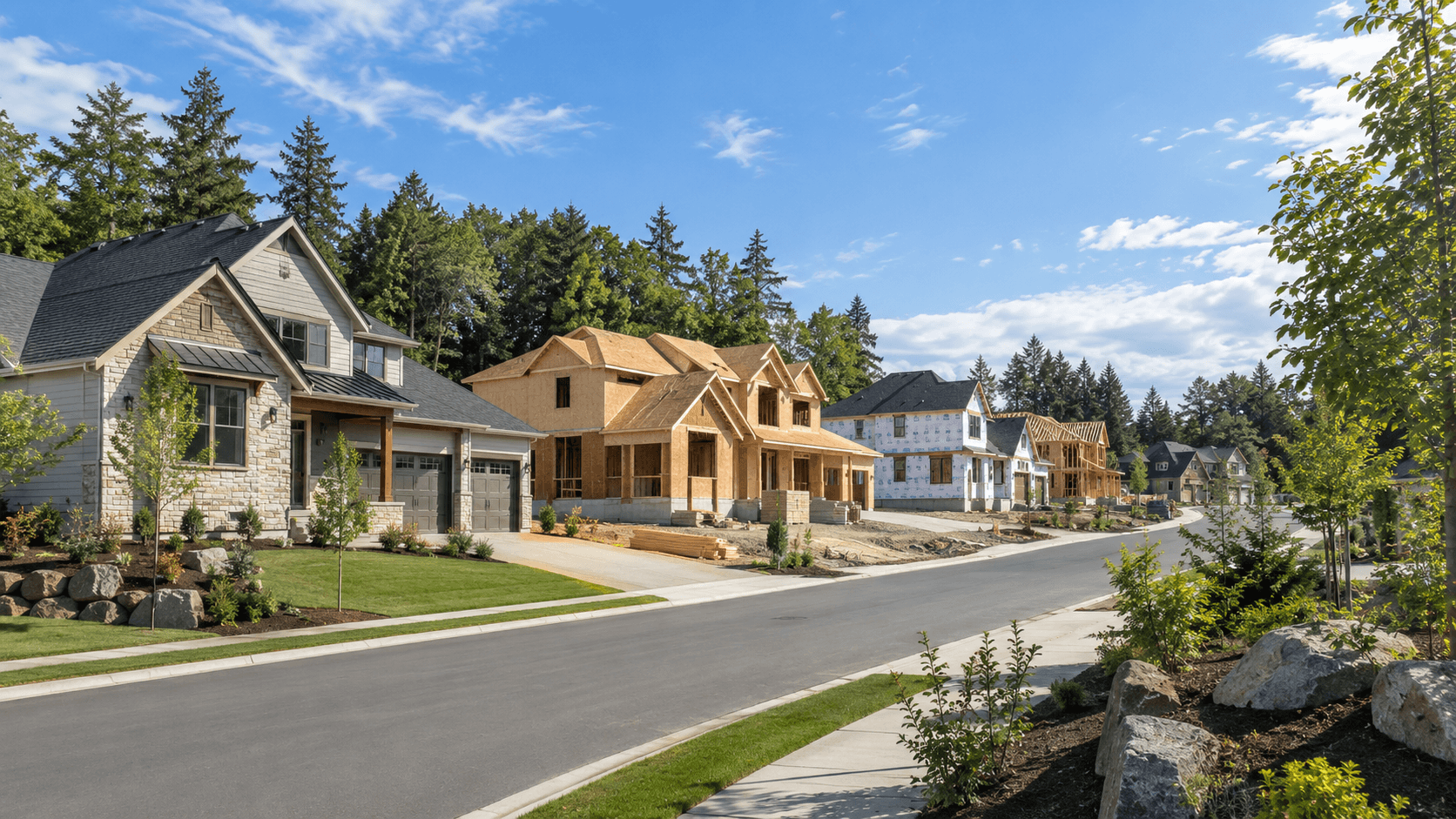
The construction path
These are construction categories, not a promise that every Big Creek project includes every activity. Scope is confirmed from the actual plans, property, project stage and requirements.
Current plans, known site conditions and a clearly described scope create the reference point for later construction decisions.
Residential work may involve access, layout, excavation-related coordination, foundation requirements and the field conditions defined by the property and design.
Framing establishes rooms, openings, roof forms and the main structure that later systems and finishes depend on.
Roofing, sheathing, windows, doors and exterior assemblies progressively protect the structure and prepare it for more interior work.
Mechanical systems, insulation, surfaces, fixtures and finishes depend on sequencing and decisions made before walls, ceilings and floors are completed.
Later activities may include remaining installations, inspections, adjustments and project-specific closeout requirements.
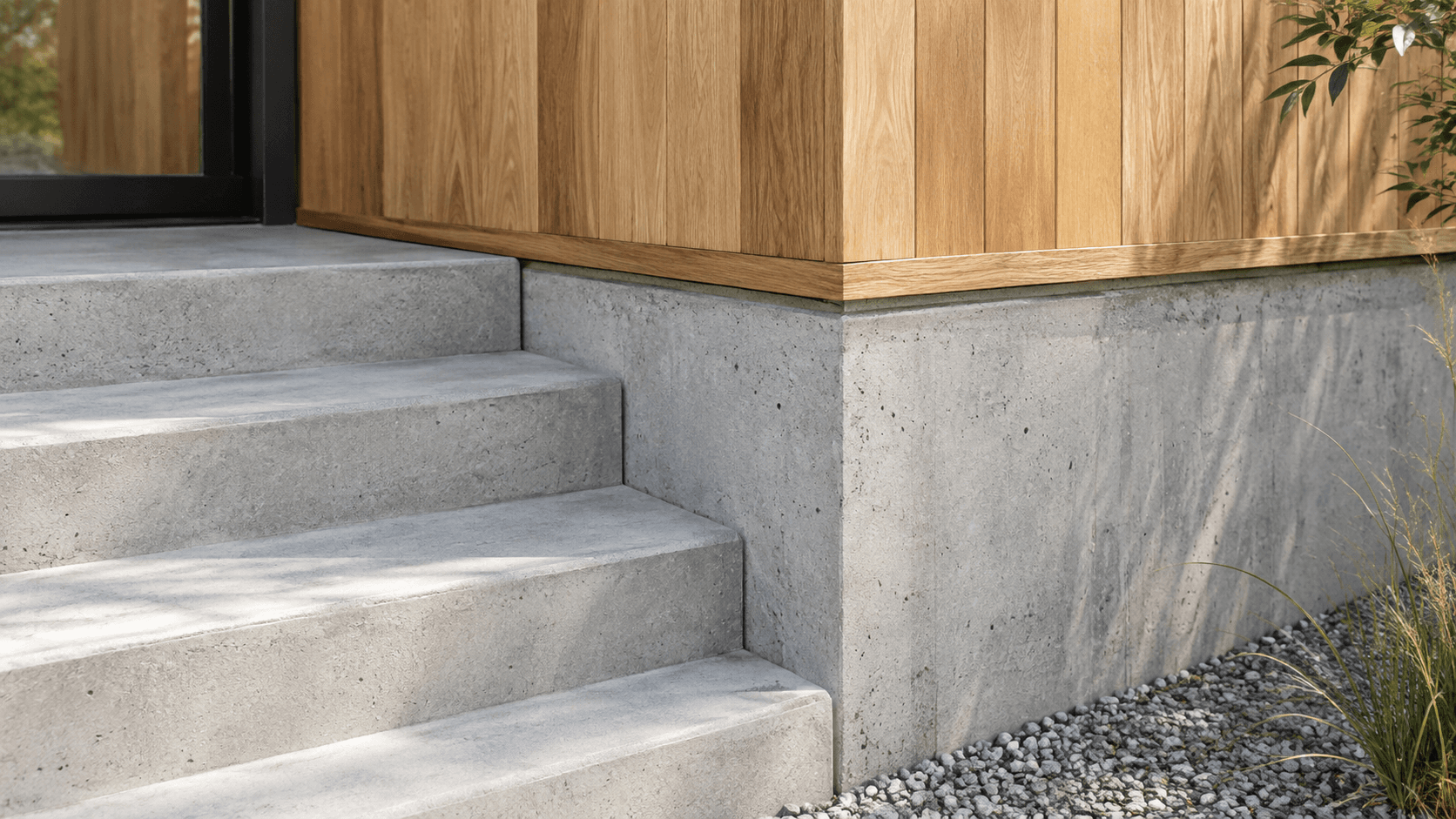
Why details connect
A dimension established at the foundation can influence framing. Framing affects openings and interior systems. Exterior openings influence weather protection and finish transitions. Material or layout changes can reach across several of those conditions at once.
That is why current plans and clear revision communication matter throughout residential construction. The goal is to understand the current condition before later work depends on it.
When discussing a project, identify the newest plan set and any pending changes. If plans are not ready yet, say so directly—the right next step may simply be determining what information is needed before a detailed scope discussion can happen.
Tell us where the project is, what stage you are in, and what you would like to discuss. We will use those details as the starting point for the conversation.