A useful first conversation usually starts with the project location, the type of home you are considering, any plans or drawings you already have, your current project stage, and a general timeline. If some of those details are still developing, the inquiry can simply explain what is known today.
Questions before a project discussion
Clear answers about plans, scope, timing and what the website can—and cannot—promise.
Use these answers to prepare for a residential construction conversation without assuming a fixed scope, timeline, service radius or contract before the project is reviewed.
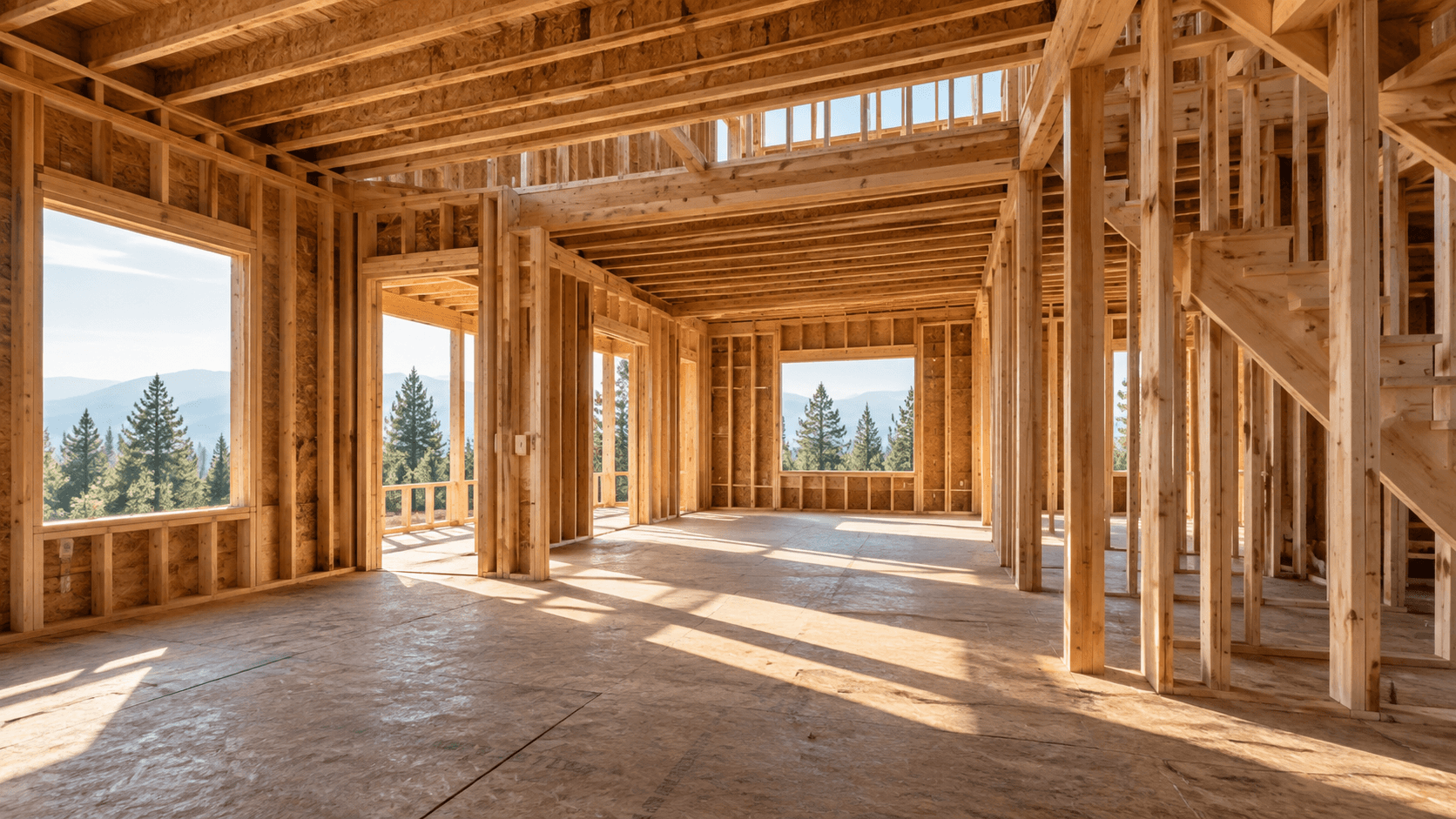
Not necessarily. The website inquiry form lets you indicate whether plans are available and what stage the project has reached. The exact information needed for a project depends on its scope and the point at which the construction discussion begins.
Construction plans organize dimensions, structural intent, openings, room layouts, exterior conditions, and many sequencing decisions. Current documents help everyone discuss the same scope and reduce the risk of decisions being based on outdated information.
Timelines may be influenced by plan readiness, site conditions, access, permitting, inspections, material lead times, trade sequencing, weather, requested changes, and the overall project scope. A realistic schedule is developed from the actual project rather than a one-size-fits-all duration.
Residential project preparation may involve reviewing the intended scope, confirming available plans, understanding site access and existing conditions, identifying dependencies between construction stages, and organizing the information needed before work is sequenced.
A typical sequence may include site and project preparation, foundation-related work, structural framing, building enclosure, mechanical and interior coordination, finish stages, inspections, and final project closeout. The exact sequence varies by plans, conditions, approvals, and project requirements.
Big Creek Concrete Incorporated is classified in single-family housing construction within the general contractor and operative builder sector. Residential project discussions can therefore involve the connected stages of a home build rather than being described as concrete-only work. The exact scope is confirmed for each project from the plans, property, current stage and requirements.
Project scope is determined from the plans, location, existing conditions, requested work, project stage, scheduling needs, and other requirements discussed for that specific build. Every project can involve a different combination of work, dependencies and timing considerations.
Many construction activities depend on work that comes before them. Clear sequencing helps organize when areas are ready, when materials or trades are needed, and what information must be resolved before the next stage moves forward.
Changes are best identified clearly and as early as practical because one decision can affect materials, dimensions, scheduling, or later work. The appropriate process depends on the project documents and any written agreements in place for the build.
Referencing the current construction stage, the specific area or decision involved, any updated plan or selection, and the next known dependency makes project communication more precise than a general status request.
No. A website inquiry is only a request to discuss a potential project. It does not by itself create a construction contract, guarantee project acceptance or availability, or establish a binding price or schedule.
Big Creek Concrete Incorporated is based in Kunkletown, Pennsylvania. Exact project location, availability, and whether a specific property can be served should be confirmed directly for each inquiry rather than assumed from a fixed online radius.
Yes. You can describe the project stage honestly in the inquiry form. Early-stage requests may require additional information before any meaningful scope or pricing discussion can occur.
Based in Kunkletown, Pennsylvania
Thinking about a residential project?
Tell us where the project is, what stage you are in, and what you would like to discuss. We will use those details as the starting point for the conversation.